

What Your Massage Therapist Wants You to Know About Muscle Tension
Muscle tension is something many of us experience, whether it comes from sitting at a desk all day, working out, carrying stress in our shoulders, or simply moving through the demands of everyday life. You might notice a stiff neck when you wake up, tight shoulders after a long workday, or soreness that seems to linger after exercise.
As massage therapists, we see muscle tension every day. And while massage can be a wonderful tool for relaxation and addressing areas of muscular discomfort, there are a few things we wish every client understood about why tension happens—and what you can do about it.
Muscle Tension Doesn't Happen for Just One Reason
When a muscle feels tight, it's tempting to assume that the muscle itself is the problem. Sometimes it is, but tension can have many contributing factors.
Repetitive movements, prolonged sitting, physical activity, poor ergonomics, stress, inadequate recovery, and changes in activity levels can all play a role. Even something as simple as spending several hours looking down at your phone can contribute to discomfort in your neck and shoulders.
Understanding the possible causes of your tension is an important part of figuring out how to manage it.

Stress Can Show Up in Your Muscles
Have you ever noticed that your shoulders creep toward your ears when you're stressed?
You're not imagining it. Emotional stress can be accompanied by increased muscle tension. Many people unconsciously tighten their jaw, shoulders, neck, or back when they're feeling overwhelmed.
That's one reason massage can feel so relaxing. Taking time to slow down, breathe, and allow your body to relax may help you become more aware of where you're holding tension.
Of course, massage isn't a substitute for addressing the underlying sources of chronic stress. Think of it as one part of a broader self-care routine.
More Pressure Isn't Always Better
One of the biggest misconceptions about massage is that a more intense massage automatically means a more effective one.
It doesn't.
Effective massage doesn't have to leave you extremely sore. Your therapist should be communicating with you about pressure and adjusting techniques based on your comfort, goals, and the areas being addressed.
If something feels sharp, excessively painful, numb, or otherwise uncomfortable, speak up. Your feedback helps your therapist provide a better and safer experience.
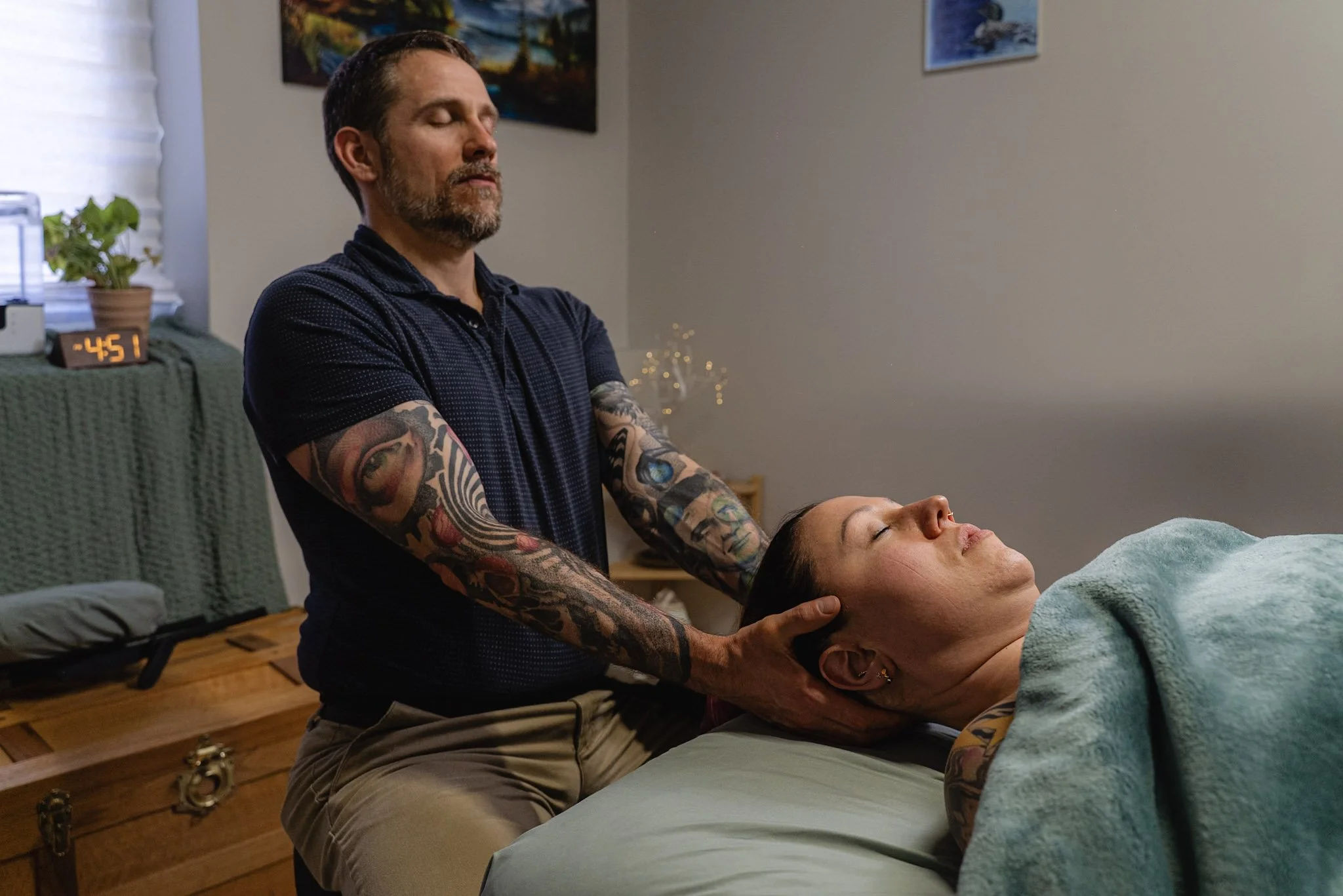
Your Massage Therapist Can't “Fix” Everything in One Session
We love helping clients feel better, but your body doesn't develop muscle tension overnight—and it may not disappear permanently after one appointment.
If your daily routine involves sitting for eight hours, repetitive physical work, intense training, or ongoing stress, those factors can continue contributing to tension after your massage.
That's why lasting improvements often involve more than massage alone. Depending on your situation, your overall approach might include movement, strength training, stretching, better workstation habits, adequate rest, hydration, stress management, or guidance from an appropriate healthcare professional.
Communication Is One of the Most Important Parts of Your Massage
Your massage therapist isn't a mind reader.
If your neck has been bothering you for weeks, tell us. If one area is particularly sensitive, let us know. If the pressure is too much—or not enough—speak up.
You don't need to worry about hurting your therapist's feelings. A massage is for you, and honest communication allows your therapist to customize the session.
It's also important to mention relevant health information, recent injuries, surgeries, medications, or other concerns before your appointment so your therapist can determine whether modifications are appropriate.
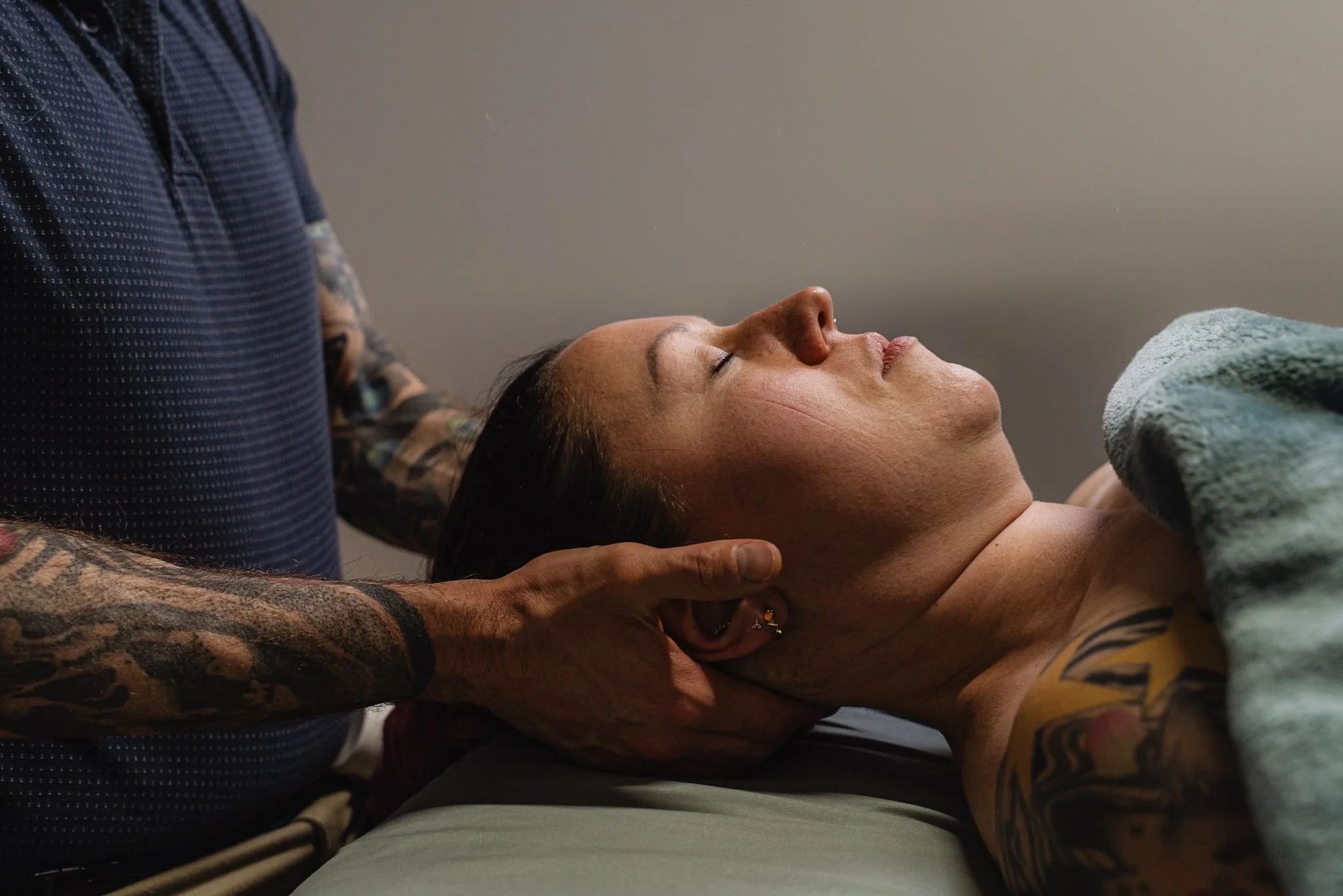
Pay Attention to What Your Body Is Telling You
Muscle tension is common, but persistent or unexplained pain shouldn't automatically be dismissed as “just a tight muscle.”
If you experience severe or worsening pain, significant weakness or numbness, swelling, unexplained symptoms, or pain following a significant injury, it's important to seek appropriate medical evaluation rather than relying solely on massage.
Your massage therapist can be part of your wellness team, but we're not a replacement for medical care.
What You Do Between Massages Matters
One of the best things you can do for your body is pay attention to what happens between appointments.
Notice when your tension tends to appear. Is it after sitting for long periods? After workouts? During stressful days? When you haven't been sleeping well?
Those patterns can provide useful clues.
Small habits can also make a difference. Taking regular movement breaks, changing positions throughout the day, practicing comfortable mobility exercises, getting adequate rest, and finding ways to manage stress can all support your body's ability to recover.
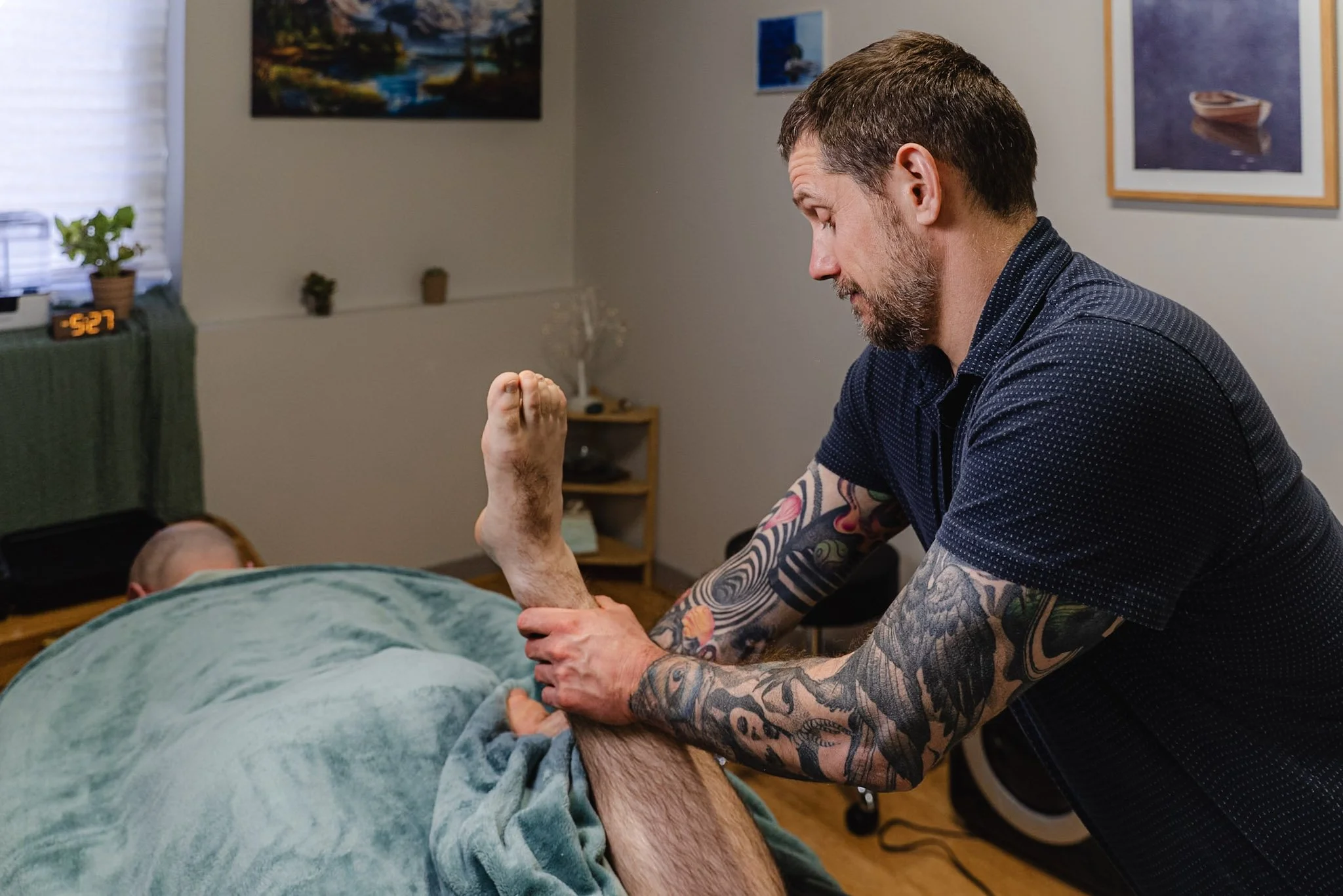
Think of Massage as Part of the Bigger Picture
Massage therapy can be a valuable part of a healthy self-care routine. It can help you slow down, relax, become more aware of your body, and address areas of muscular discomfort.
But the goal isn't simply to chase every knot or tight spot.
The bigger goal is to understand your body, recognize patterns, communicate your needs, and develop habits that support how you want to feel every day.
Your muscles are constantly responding to how you move, work, exercise, rest, and handle stress. The more you listen to your body, the better equipped you are to take care of it.
If you're dealing with persistent muscle tension or simply want to make massage part of your wellness routine, talk with your massage therapist about your goals. Together, you can create an approach that's comfortable, realistic, and tailored to you.