

What to Expect at Your First Massage Appointment
If you’ve never had a professional massage before, you may have questions about what actually happens when you walk through the door. What should you wear? Will you have to talk about your medical history? How much clothing do you remove? And what if you feel uncomfortable?
The good news is that your first massage appointment should be a comfortable, respectful, and personalized experience. Knowing what to expect can help you feel more relaxed and confident before your session begins.
The good news is that your first massage appointment should be a comfortable, respectful, and personalized experience. Knowing what to expect can help you feel more relaxed and confident before your session begins.
Before Your Massage
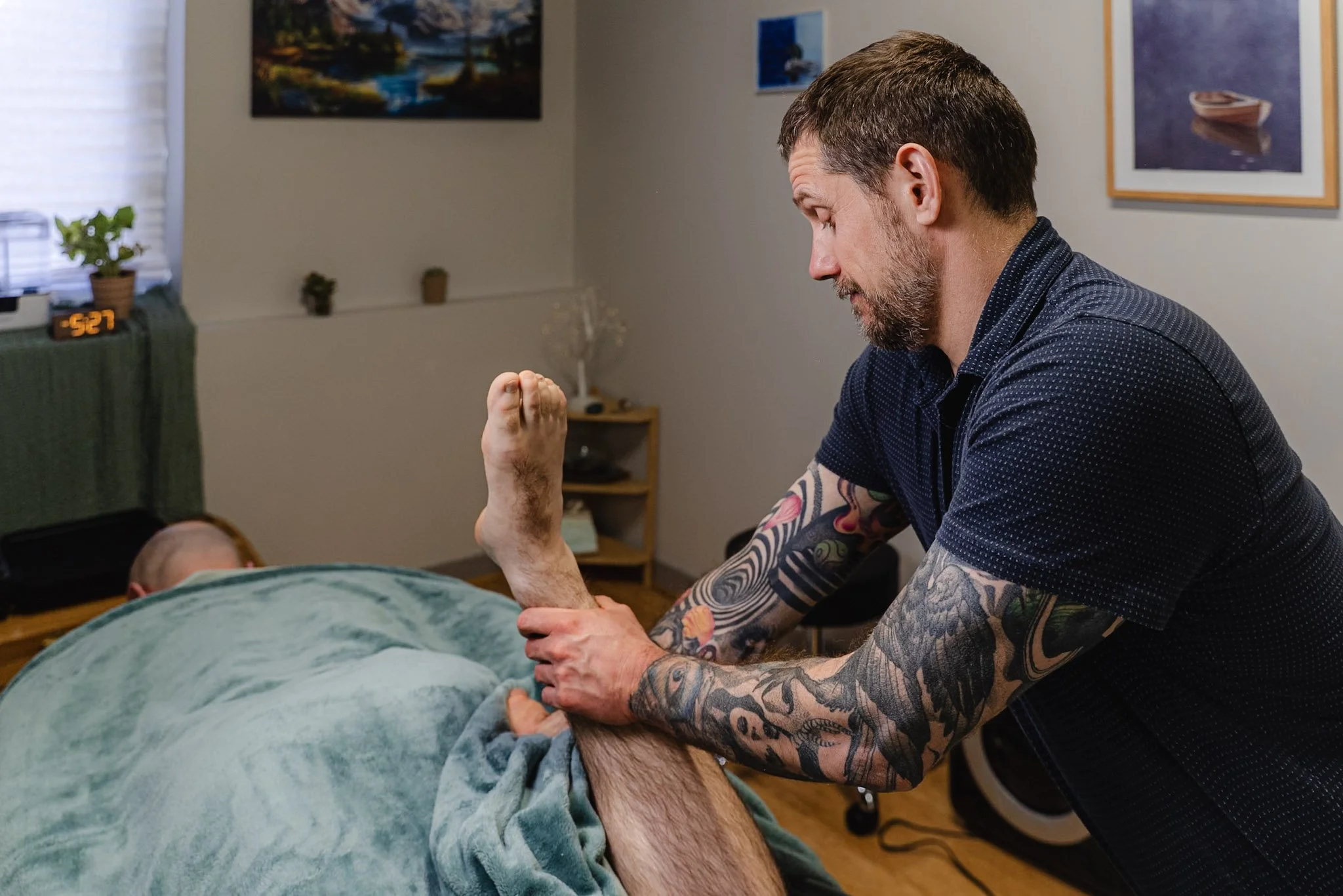
When you arrive, your massage therapist will typically have you complete some basic paperwork. This may include information about your health history, current medications, injuries, areas of discomfort, and your goals for the session.
Be honest and thorough when answering these questions. Certain health conditions, medications, recent injuries, or procedures may affect the type of massage that is appropriate for you.
Your therapist may also ask what you would like to get out of your appointment. Maybe you’re looking to relax, reduce muscle tension, address a specific area of tightness, or simply take some time for yourself. Your answers help your therapist tailor the session to your needs.
You’ll Have a Brief Consultation
Before the massage begins, your therapist will usually talk with you about how you’re feeling and what areas you’d like to focus on.
This is a great time to mention things such as:
Areas that feel tight, sore, or uncomfortable
Recent workouts or physical activity
Previous injuries
Your preferred pressure level
Any areas you don’t want worked on
Whether you prefer a quiet session or conversation
Don’t worry if you don’t know exactly what type of massage you need. Your therapist can help explain your options and develop an appropriate approach based on your goals.
What Should You Wear?
You generally don’t need to bring anything special to a massage appointment. Wear comfortable clothing that is easy to change out of.
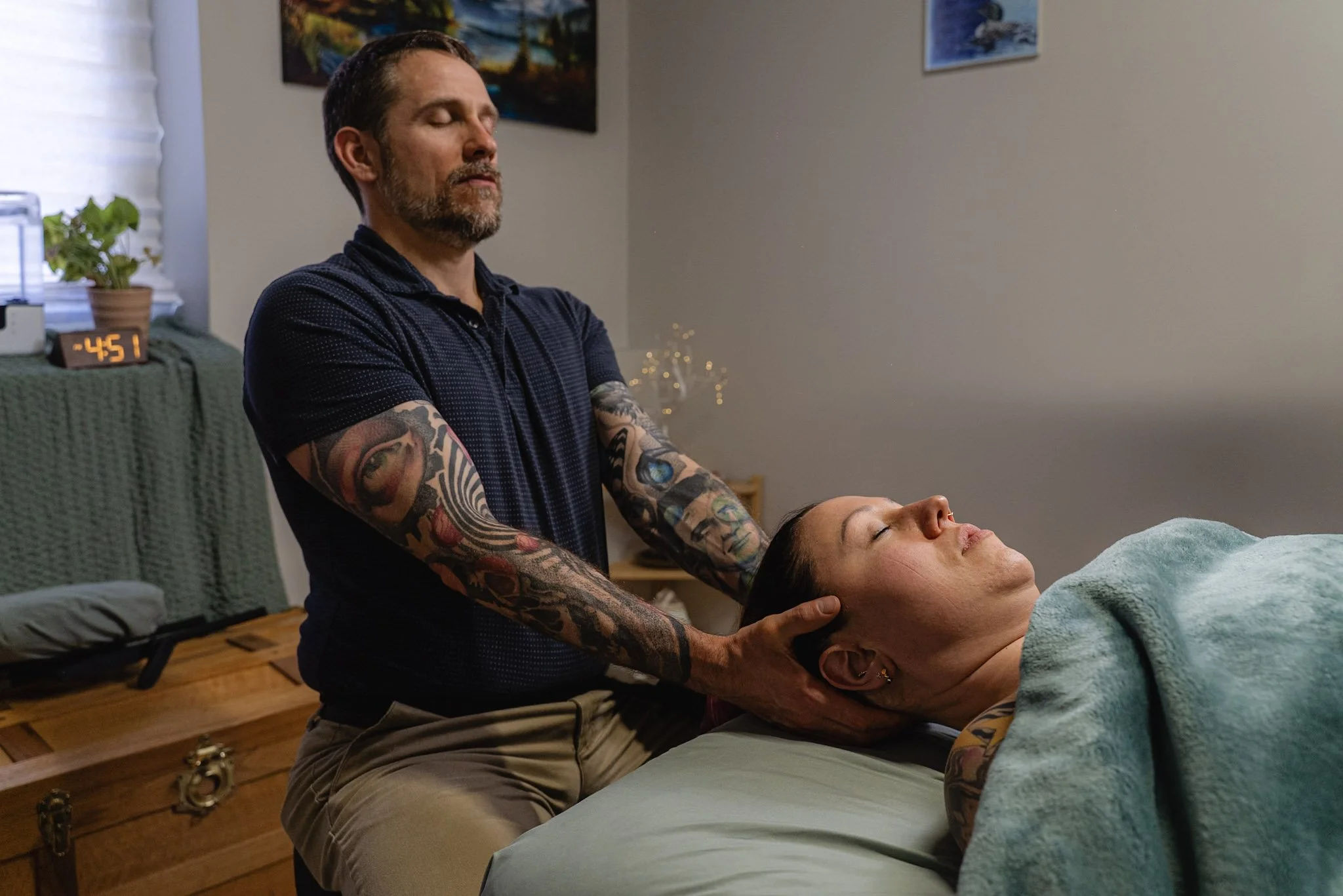
For the massage itself, your therapist will explain what clothing should be removed for the particular treatment. You will never be expected to undress beyond your comfort level.
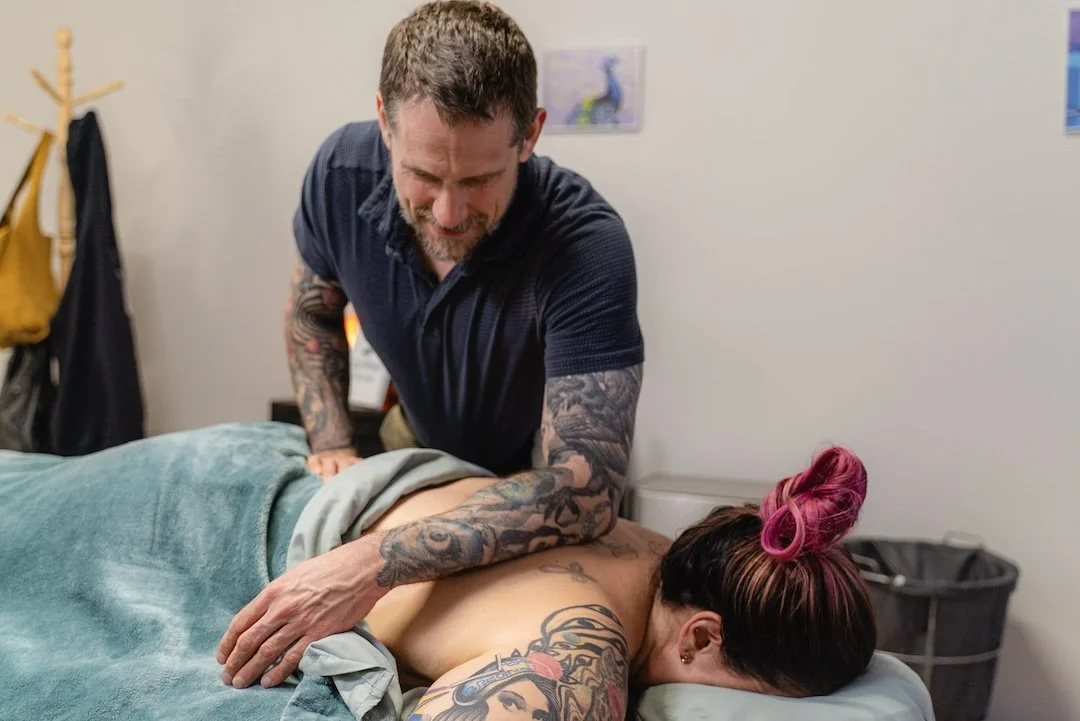
Professional massage therapists use proper draping techniques, meaning that only the area being worked on is uncovered. You remain covered throughout the session except for the specific body part being treated.
If you’re unsure about anything, simply ask. Your comfort and privacy should always be priorities.
During the Massage
Once you’re comfortably positioned on the massage table, your therapist will begin the treatment according to the plan you discussed.
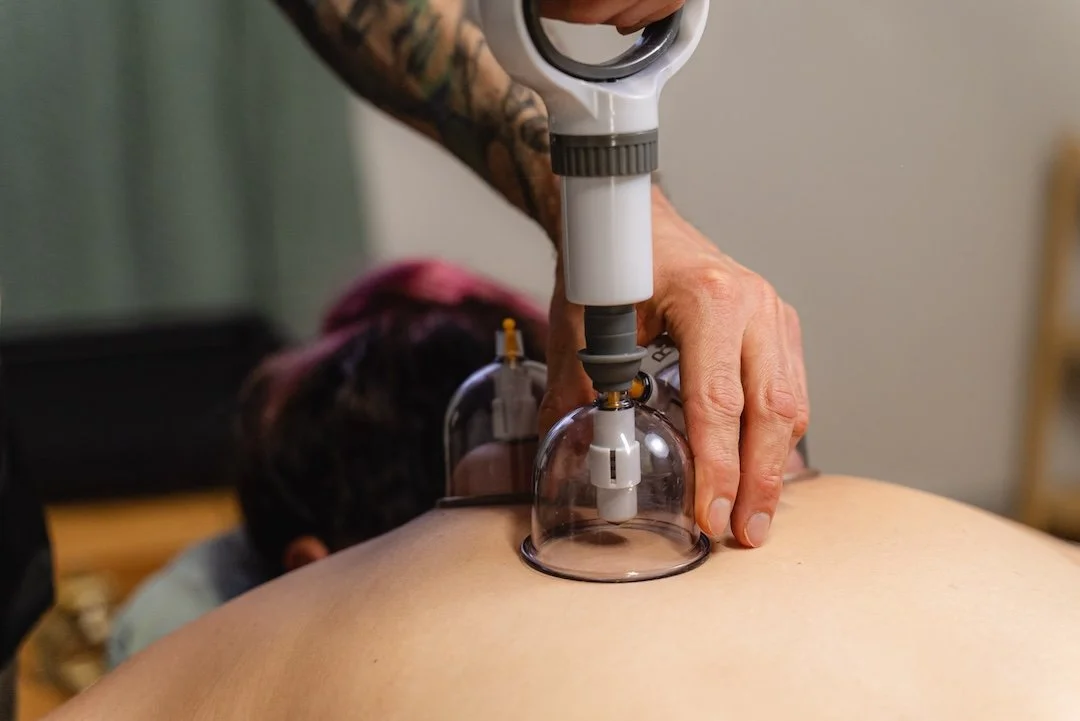
You may experience a variety of techniques depending on the type of massage you’re receiving. Pressure can range from very light to deeper work.
Communication is important throughout your appointment. If the pressure is too strong, too light, or simply doesn’t feel right, speak up. Your therapist wants to know what feels comfortable for you.
You also don’t need to make conversation if you don’t want to. Some people enjoy chatting during their massage, while others prefer to relax quietly. Either is completely fine.
What If Something Feels Uncomfortable?
A massage should not feel like something you have to endure.
Some techniques may create a sensation of pressure or mild discomfort, particularly when working with areas of muscle tension. However, sharp, intense, or painful sensations should be communicated to your therapist right away.
You are always allowed to ask your therapist to adjust the pressure, change techniques, skip an area, or stop the session.
Your body and your boundaries matter.
After Your Massage
When your massage is finished, your therapist will give you privacy to get dressed. Take your time getting up from the table, especially if you feel very relaxed.
Your therapist may also offer general aftercare suggestions, such as drinking water, taking it easy for the rest of the day, or paying attention to how your body feels.
It’s normal for everyone to respond differently to massage. Some people leave feeling energized, while others feel deeply relaxed and ready for a nap.
How Can You Prepare for Your First Appointment?
A few simple steps can make your experience even more enjoyable:
Arrive a little early. Give yourself enough time to park, complete paperwork, and settle in without feeling rushed.
Stay hydrated. Regular hydration is a good part of general wellness and can help you feel your best before and after your appointment.
Avoid arriving overly full. A very large meal immediately before lying on a massage table may be uncomfortable.
Communicate openly. Tell your therapist what you need and don’t be afraid to ask questions.
Give yourself some downtime afterward if possible. You may want a few quiet minutes to enjoy the relaxed feeling before jumping back into a busy schedule.
Your First Massage Doesn’t Have to Be Intimidating
Trying something new can feel a little uncomfortable at first, but you don’t need to know everything before your first massage. Your therapist is there to guide you through the process, answer your questions, and create a treatment experience that feels comfortable and appropriate for you.
The most important thing to remember is that you are in control of your comfort throughout the appointment. Good communication helps your massage therapist understand what you need and gives you the best opportunity to have a positive experience.
If you’ve been curious about massage therapy but haven’t booked your first appointment, consider this your sign to ask questions and give it a try. You may discover that massage becomes a valuable part of your regular self-care routine.