

Getting a good night's sleep is essential for your physical and mental well-being. However, stress, muscle tension, and daily worries can make it difficult to relax at bedtime. Massage therapy may help you unwind, relieve tension, and prepare your body for restful sleep.
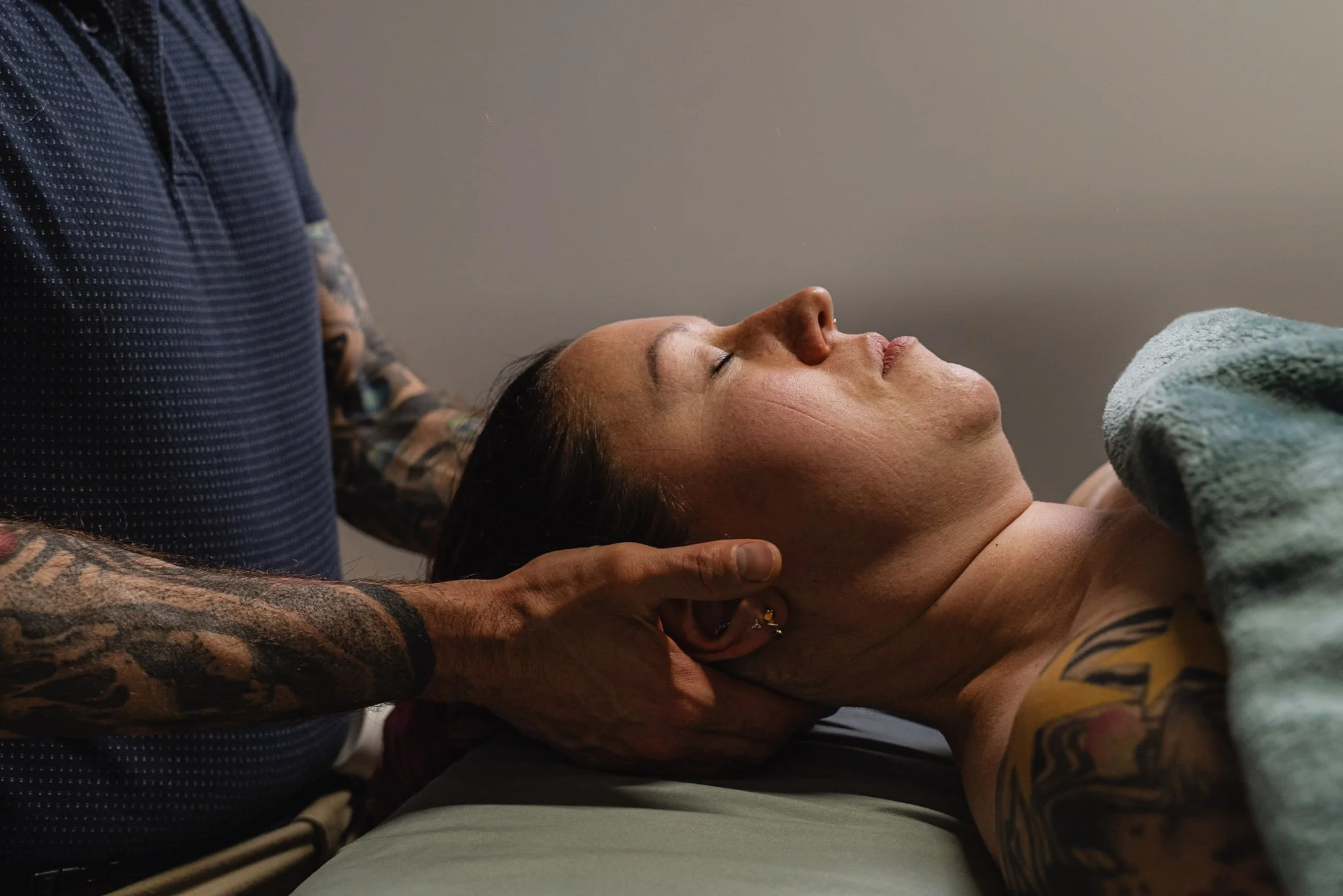
How Does Massage Help Improve Sleep?
Massage offers several potential benefits that may support better sleep.
Reduces stress: Gentle massage may help calm your mind and ease feelings of stress and anxiety.
Relieves muscle tension: Massage can help ease tight muscles and everyday discomfort, making it easier to get comfortable in bed.
Promotes relaxation: Slow, soothing movements encourage your body to unwind after a busy day.
May improve sleep quality: Research suggests massage may improve perceived sleep quality for some people, although results vary.
Which Types of Massage Are Best for Sleep?
Different massage techniques can help you relax, depending on your preferences.
Swedish massage: Uses gentle, flowing strokes to promote relaxation and relieve tension.
Relaxation massage: Focuses on calming movements to help you unwind.
Aromatherapy massage: Combines massage with essential oils, such as lavender, which is commonly associated with relaxation.
Foot, neck, and shoulder massage: Targets areas where everyday stress and muscle tension often build up.
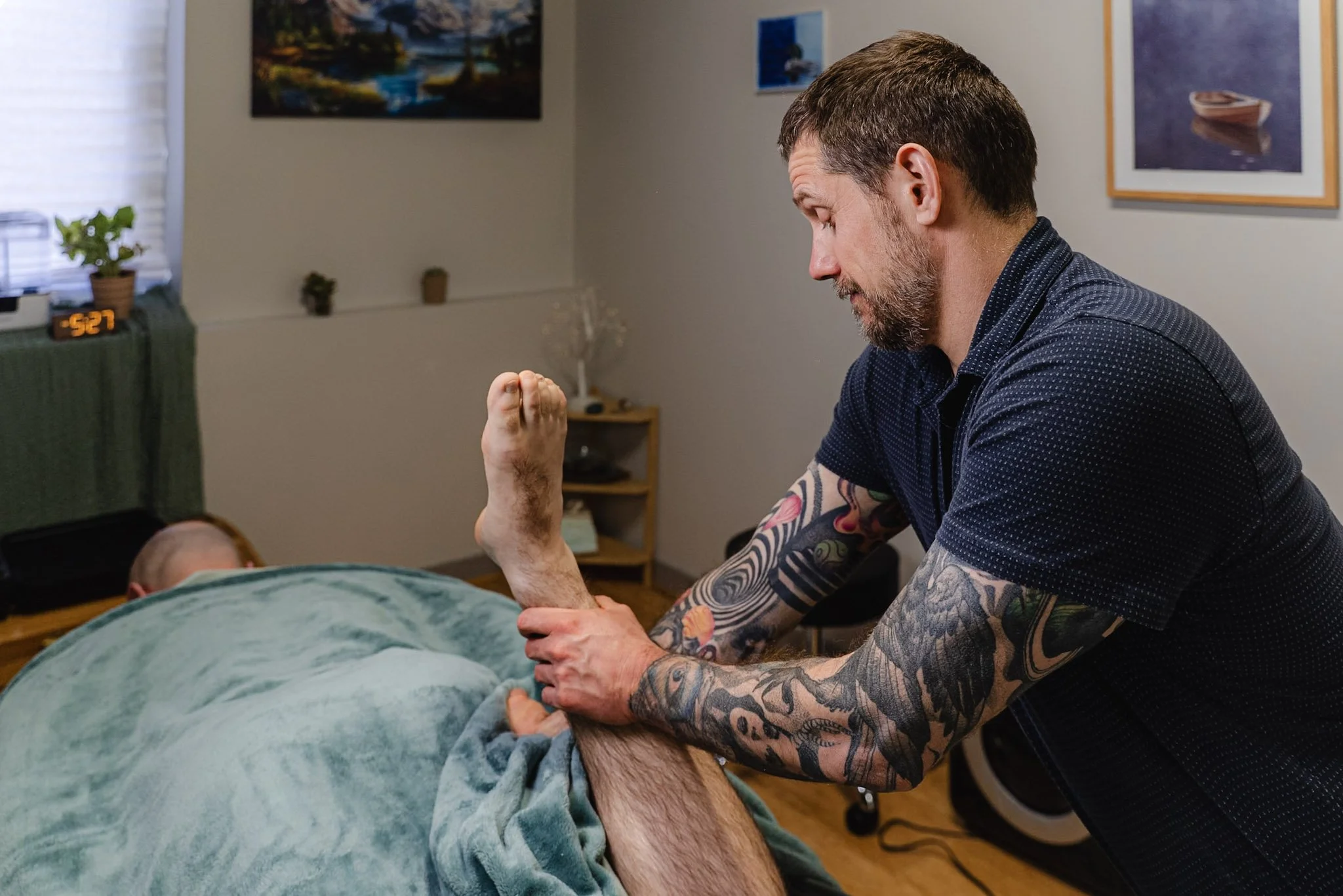
When Should You Get a Massage?
An afternoon or early evening massage may help you relax before bedtime. However, there is no universally proven best time.
Choose a time that fits your routine, and avoid intense massage right before bed if it leaves you feeling sore or uncomfortable.
You can also try a few minutes of gentle self-massage at home, combined with slow breathing, to create a calming bedtime ritual.
Other Tips for Better Sleep
Massage works best as part of a healthy sleep routine. To support better rest:
Maintain a consistent bedtime and wake-up time.
Keep your bedroom dark, quiet, and comfortable.
Limit caffeine later in the day.
Reduce screen time and stimulating activities before bed.
Make time for relaxing activities, such as reading or gentle stretching.
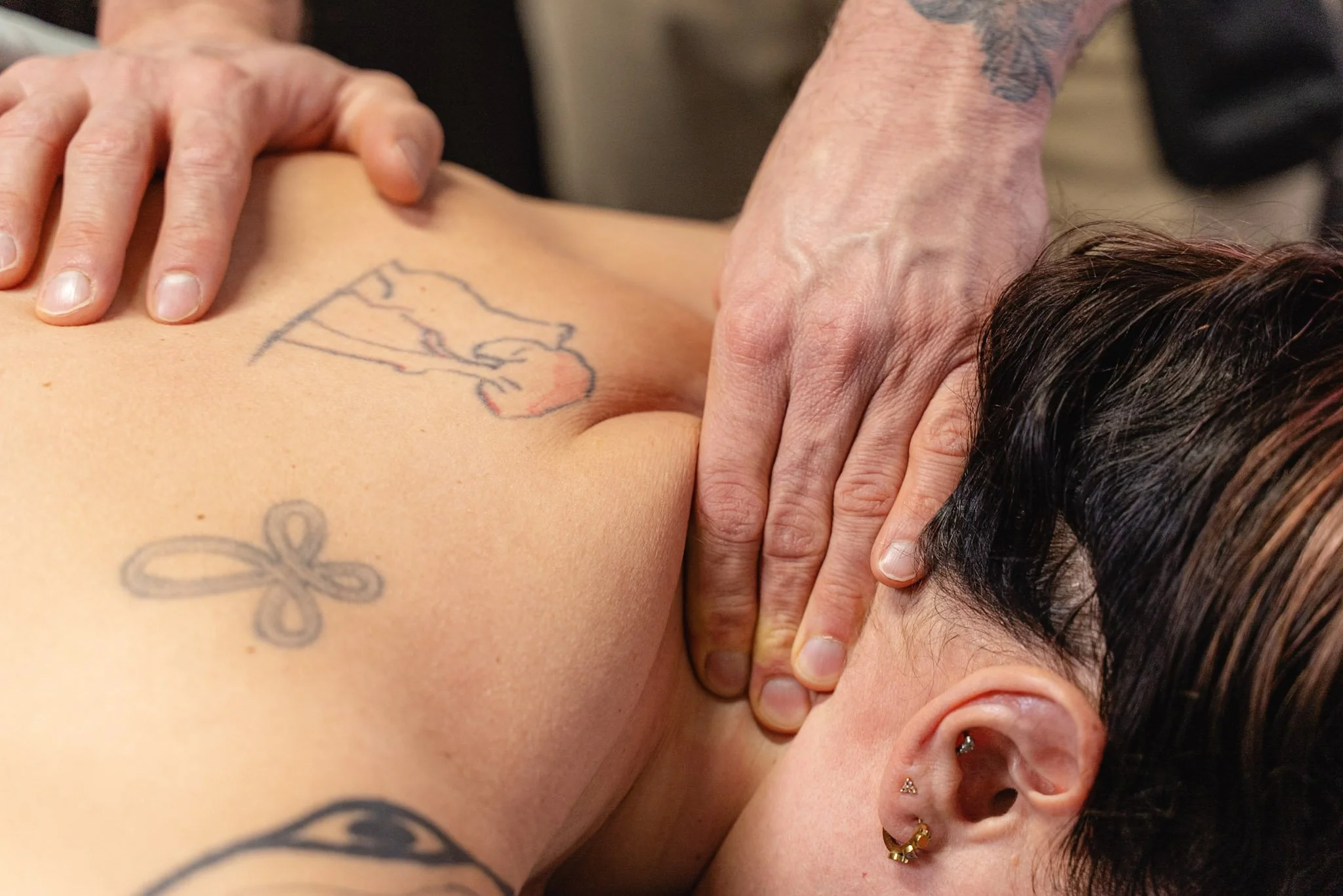
Is Massage Safe for Everyone?
Massage is generally well tolerated by many healthy adults. However, certain medical conditions, injuries, or recent surgeries may require special precautions. Tell your massage therapist about relevant health concerns and stop any technique that causes pain.
If you regularly struggle with sleep, experience excessive daytime sleepiness, or have persistent insomnia, consult a healthcare professional. Massage can complement appropriate care but should not replace it.
Final Thoughts
Massage may help improve sleep by easing muscle tension, reducing stress, and promoting relaxation. Whether you choose a professional massage or gentle self-massage at home, it can be a helpful addition to your bedtime routine.
Combine massage with healthy sleep habits and give yourself time to unwind. Better sleep often starts with making relaxation a regular part of your day.