

The Truth About Pain: How Massage Therapy Can Help You Feel Better
Pain is rarely simple. It is not always caused by a single injury, a single muscle, or one bad movement. Pain is complex, personal, and influenced by many different factors — including stress, posture, past injuries, lifestyle habits, sleep, emotional health, and even the nervous system itself. What starts as mild discomfort in one area can eventually affect movement, energy levels, mood, and overall quality of life.
For many people, pain becomes a cycle. Overly contracted or overly stretched muscles create tension, tension limits movement, limited movement causes compensation in other parts of the body, and the body begins working harder just to perform normal daily activities. Over time, this can lead to chronic discomfort that feels difficult to escape.
This is why managing pain often requires more than simply masking symptoms. The body works as an interconnected system, and effective pain relief should address both physical tension and the stress that contributes to it. Massage therapy has become an increasingly valuable tool because it supports the body in multiple ways at once.
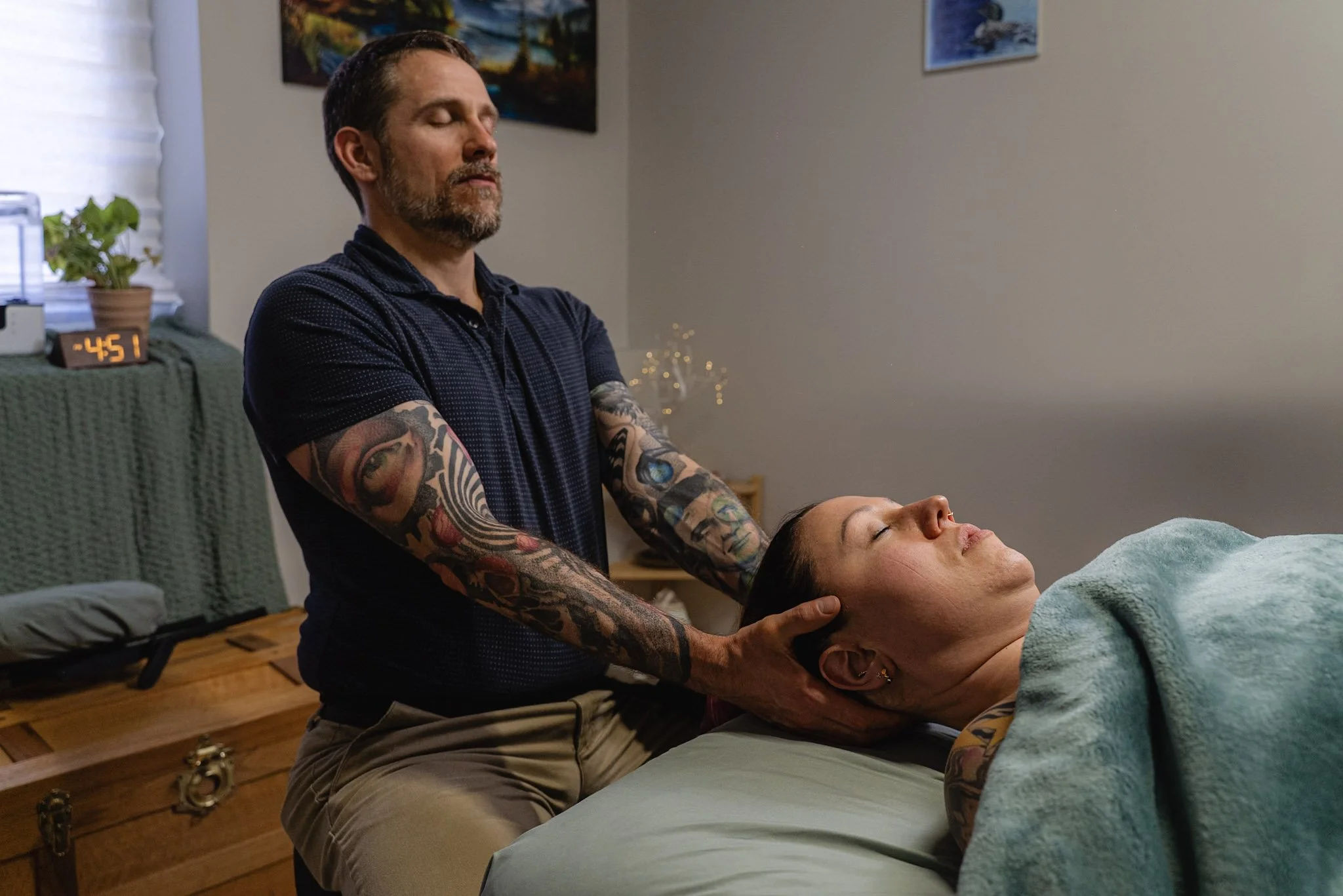
Understanding the Complexity of Pain
Pain is not always directly connected to the area where it is felt. For example, shoulder pain may actually originate from tension in the neck or upper back. Headaches can be linked to jaw tightness, stress, or poor posture. Lower back pain may develop because surrounding muscles are weak, overworked, or compensating for imbalance elsewhere in the body.
In addition, the nervous system plays a major role in how pain is experienced. When the body remains in a constant state of stress or tension, the nervous system can become more sensitive, making discomfort feel more intense and persistent. This is why chronic stress, anxiety, poor sleep, and emotional fatigue can all worsen physical pain.
Pain is both physical and neurological, which is why a whole-body approach can make such a meaningful difference.
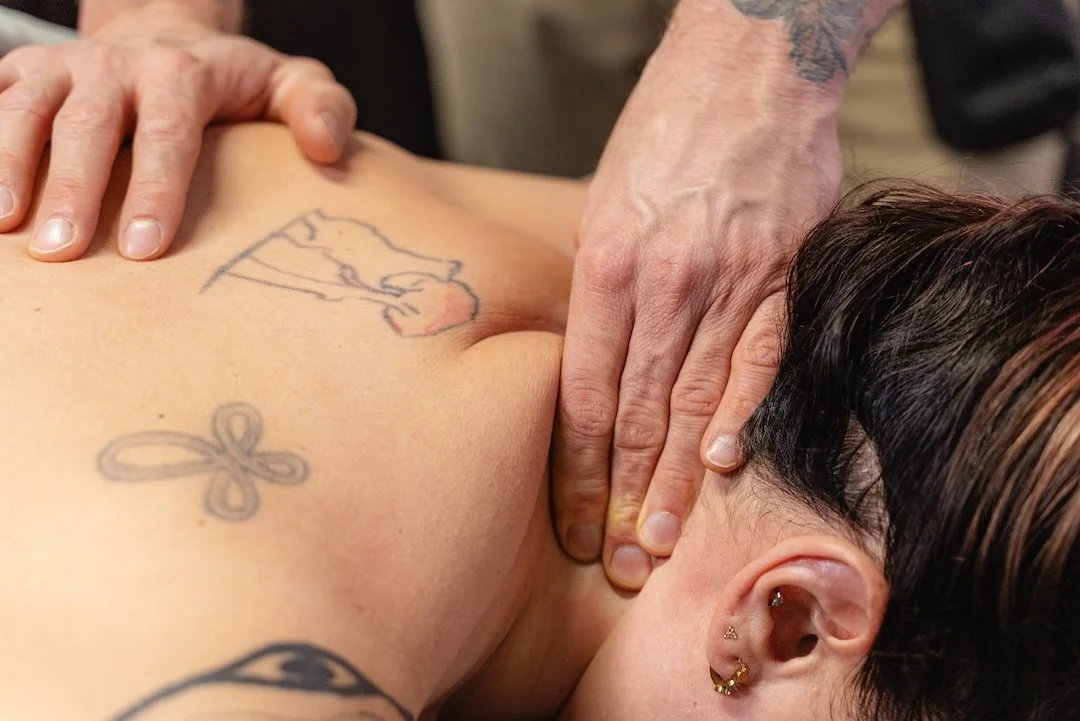
How Massage Therapy Helps
Massage therapy works by addressing several layers of pain at the same time. Rather than focusing only on symptoms, massage supports the body’s natural ability to relax, recover, and heal.
Relieving Muscle Tension
One of the most immediate effects of massage is the release of overly contracted (hypertonic) muscles. When muscles relax, pressure on joints, nerves, and surrounding tissues decreases, often reducing pain and improving mobility.
Improving Circulation
Massage increases blood flow, helping oxygen and nutrients reach tissues more efficiently. Improved circulation can support healing, reduce inflammation, and help the body recover from strain or injury.
Calming the Nervous System
Pain and stress are deeply connected. Massage encourages the nervous system to shift out of “fight or flight” mode and into a more relaxed state. This can lower stress hormones, reduce muscle guarding, and help the body feel safe enough to release chronic tension.
Supporting Better Movement
When the body is in pain, movement patterns often change. Some muscles become overactive while others weaken from lack of use. Massage can help restore balance by improving flexibility, reducing stiffness, and supporting healthier movement patterns.
Promoting Mental and Emotional Well-Being
Chronic pain affects more than the body. It can impact sleep, mood, concentration, and emotional health. Many people find that massage not only eases physical discomfort but also creates a sense of calm, relaxation, and mental clarity.
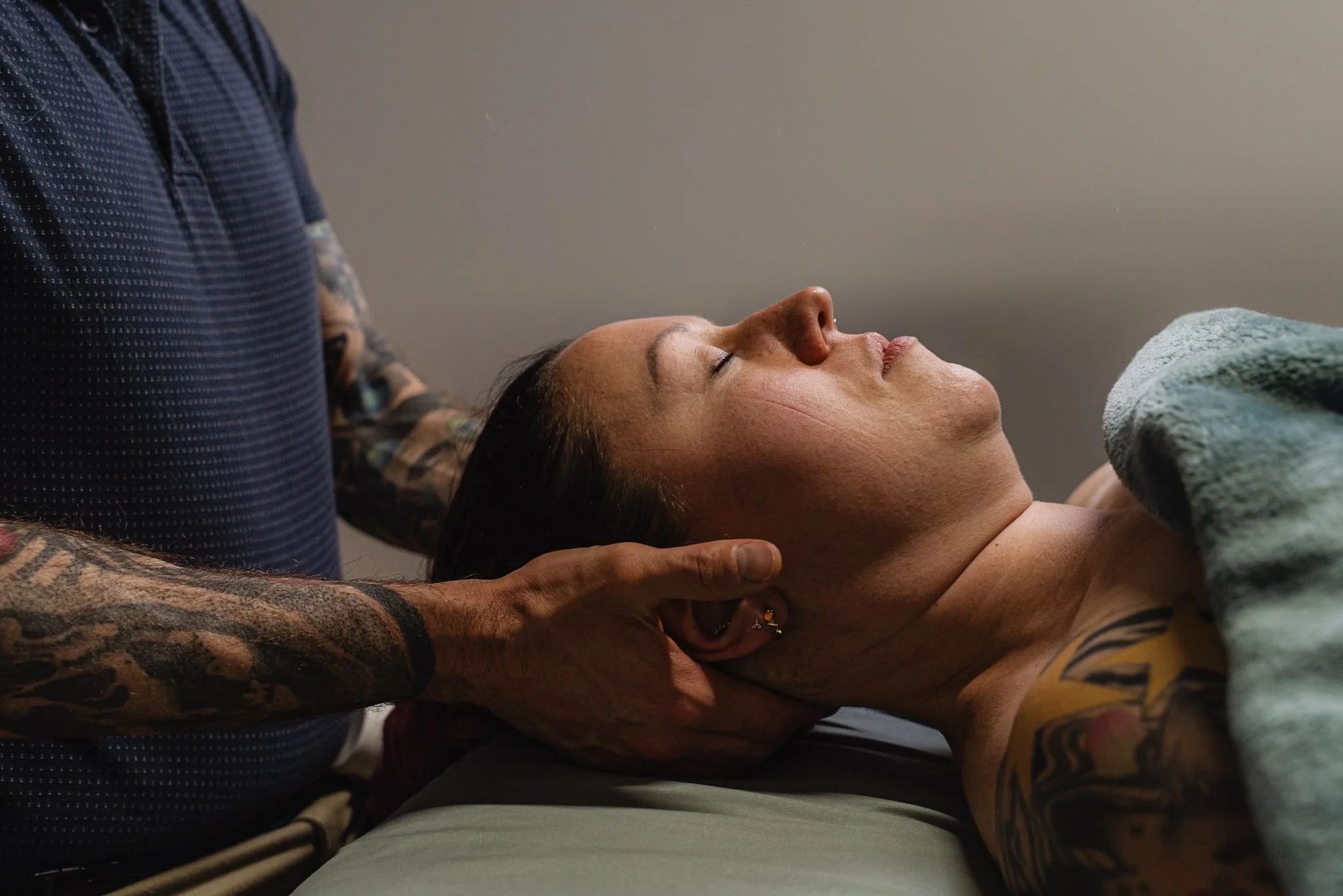
A Holistic Approach to Pain Relief
Massage therapy is not a miracle cure, and pain is rarely solved by one single treatment. However, when combined with proper movement, hydration, exercise, stress management, and quality sleep, massage can become an important part of long-term wellness and pain management.
The goal is not simply to “fix” one painful area, but to support the body as a whole system. Because pain is complex, treatment should be thoughtful, individualized, and focused on restoring balance throughout the body.
Listening to pain instead of ignoring it is one of the most important steps toward healing. Massage therapy offers a natural, supportive approach that helps many people reconnect with their bodies, reduce discomfort, and improve their overall quality of life.