

How Much Pressure is Right During a Massage?
One of the most common questions I hear from clients is:
"How much pressure should I be feeling during my massage?"
The answer may surprise you.
Many people believe that deeper pressure automatically means a better massage. Somewhere along the way, we've been taught that if it hurts, it's working. But that's not always true.
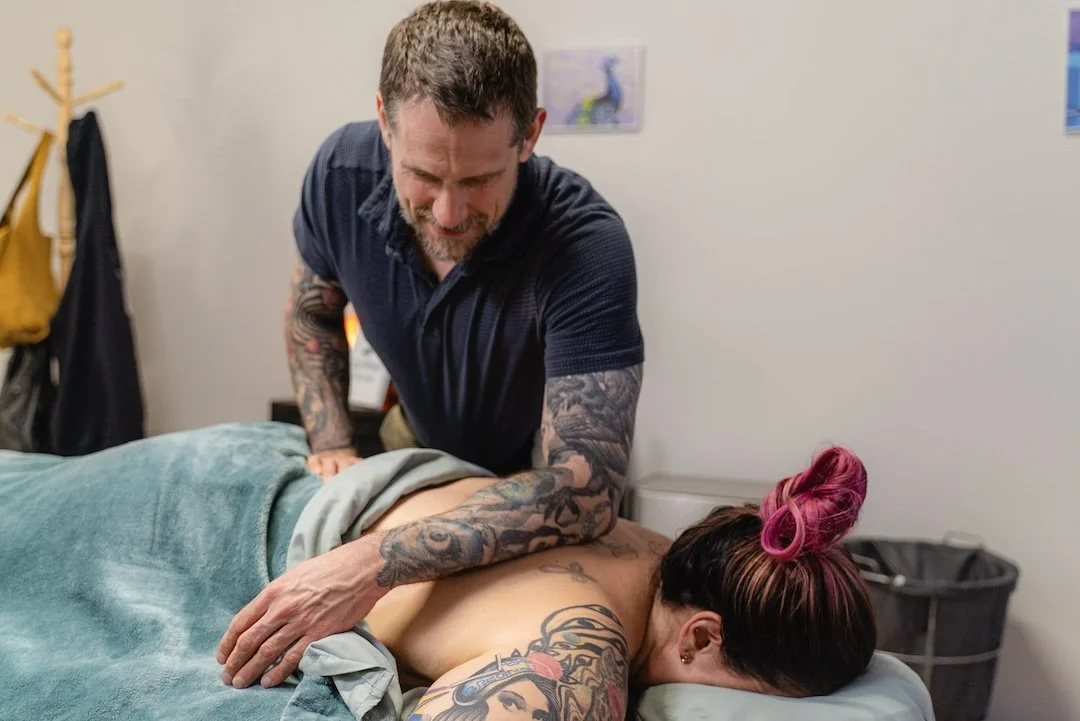
More Pressure Doesn't Always Mean Better Results
Massage is not about how much discomfort you can tolerate.
The goal of massage therapy is to help your body relax, release tension, improve circulation, and support healing. When pressure is too intense, your muscles may actually tighten up in response, making it harder to achieve those goals.
A massage should never feel like something you have to endure.
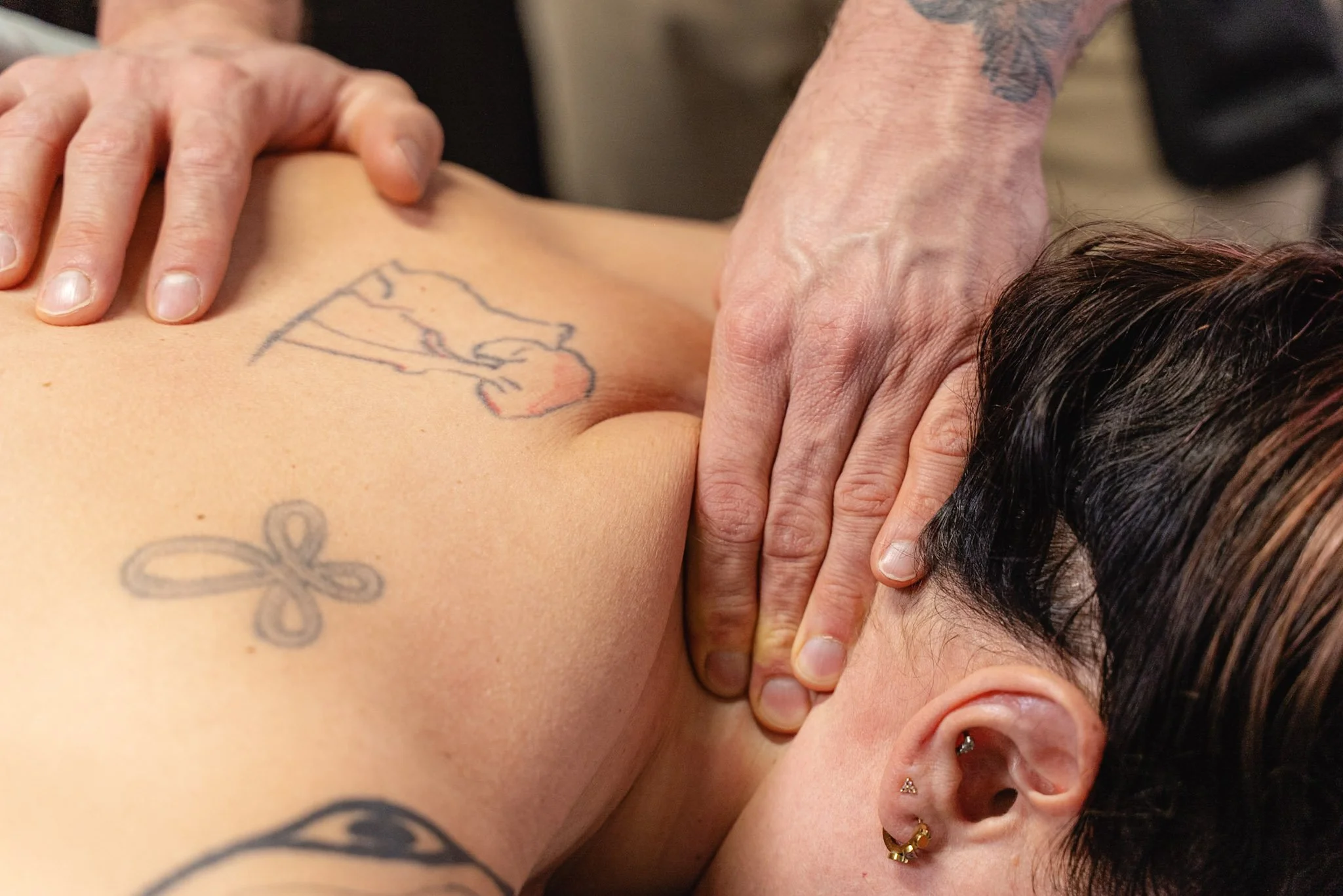
The "Good Pain" vs. The "Bad Pain"
There is a difference between therapeutic pressure and excessive pressure.
Therapeutic pressure often feels like:
A satisfying release of tension
A sensation of muscles "melting" or softening
Mild discomfort that feels productive and manageable
Relief during and after the session
Excessive pressure may feel like:
Sharp or stabbing pain
Holding your breath
Tensing your muscles to brace against the pressure
Lingering soreness that lasts for days
If you find yourself clenching your jaw, tightening your shoulders, or counting the minutes until the therapist moves on, the pressure is probably too much.
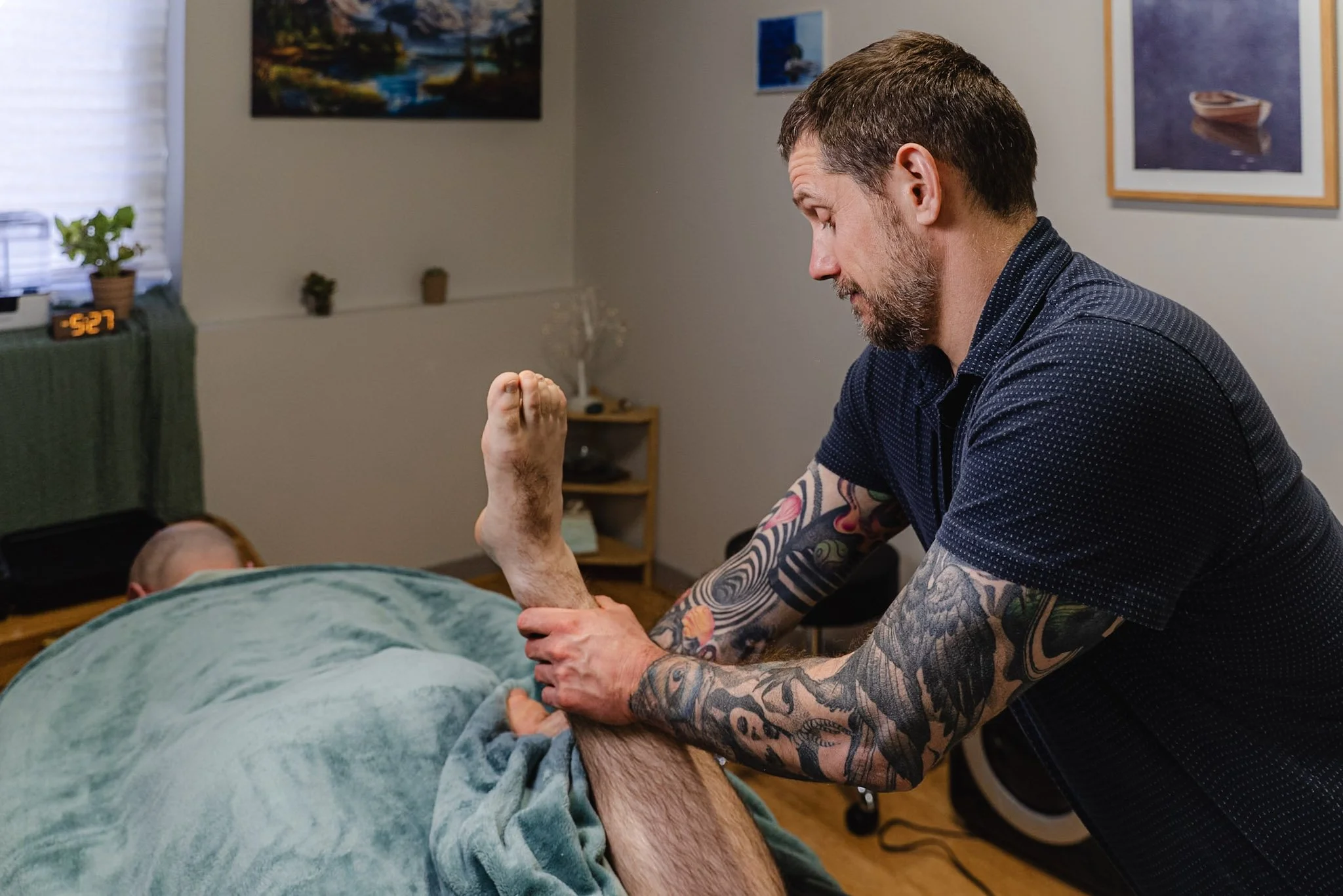
Your Massage Should Be Customized to You
Every body is different.
What feels perfect for one person may be overwhelming for another. Factors such as stress levels, injury history, activity level, hydration, and even how well you slept the night before can affect how your body responds to pressure.
That's why communication is so important.
A skilled massage therapist isn't trying to deliver the deepest massage possible. They're trying to provide the pressure that your body needs in that moment.
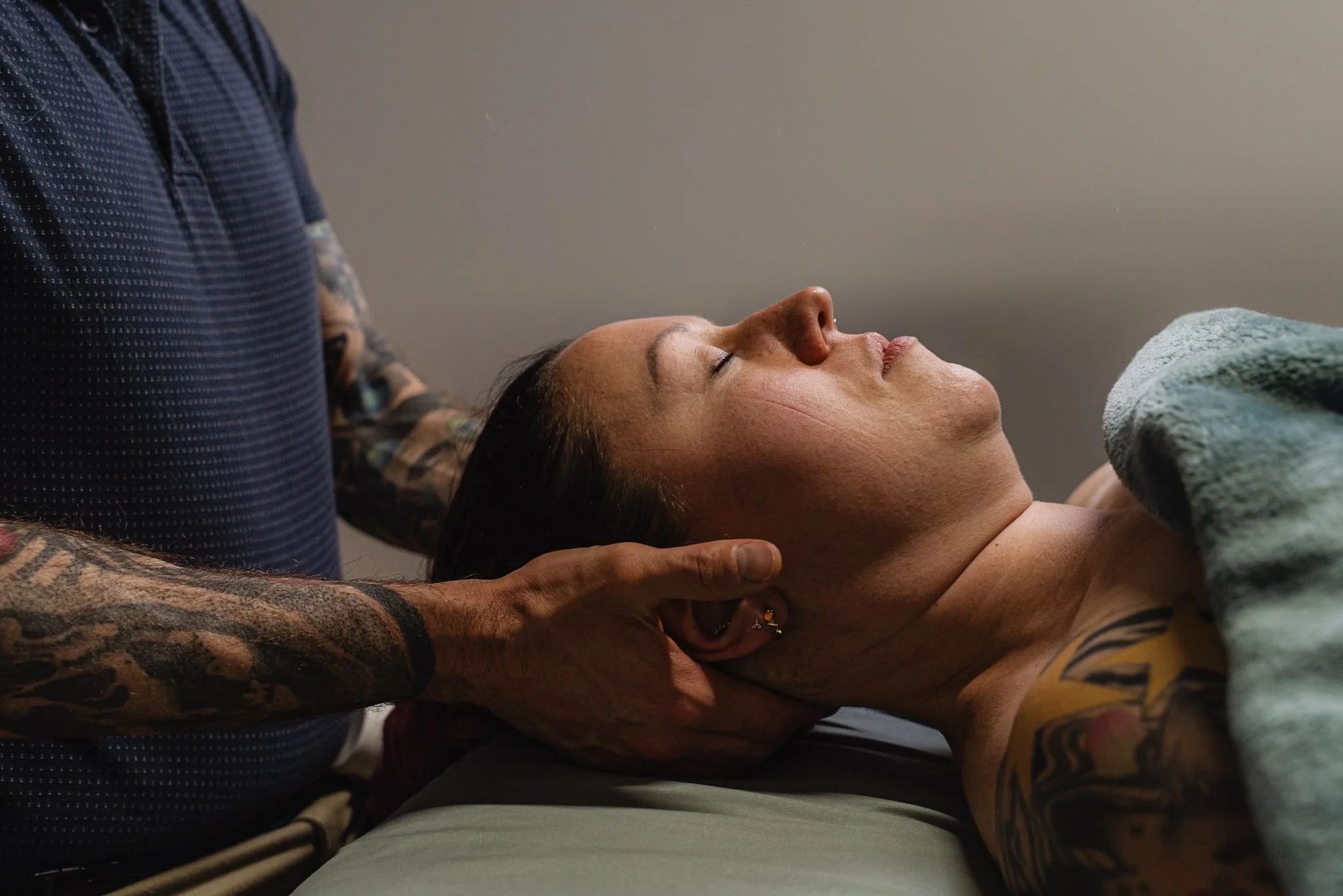
Speak Up During Your Session
Many clients worry about asking for less pressure because they don't want to offend their therapist.
Please don't.
Your feedback helps us do our job better.
Whether you need lighter pressure, deeper work, more focus on a specific area, or simply a warmer blanket, your comfort matters. Massage is a partnership, and open communication creates the best results.
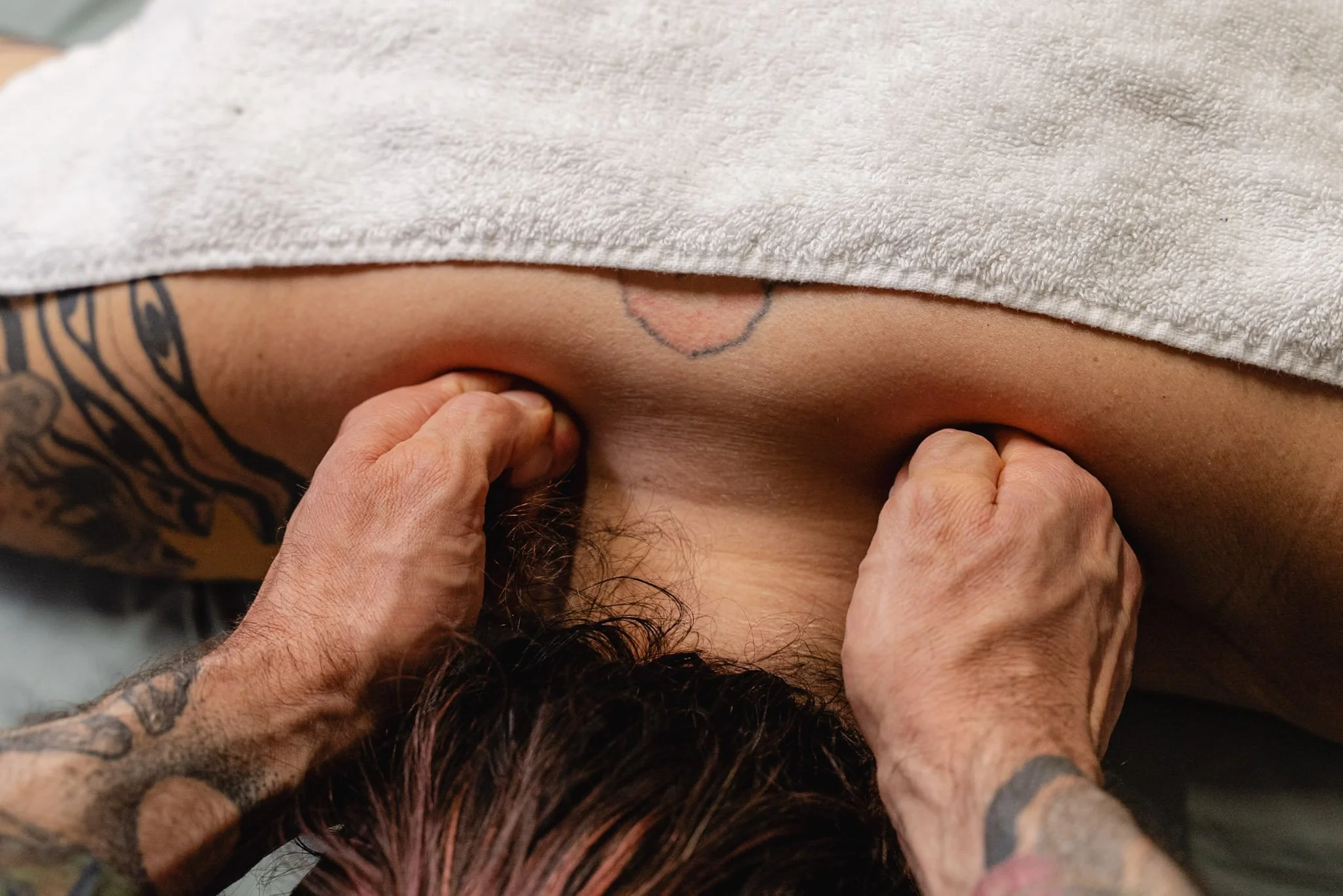
The Right Pressure Is the Pressure That Works for You
The best massage isn't measured by how sore you are afterward.
It's measured by how your body feels when you leave: more relaxed, more mobile, less tense, and more connected to yourself.
The right pressure is the one that allows your body to let go—not brace for impact.
If you're ever unsure, remember this:
Massage should feel therapeutic, not torturous.
Your body will tell you what it needs. All you have to do is listen.