

The Nervous System: Understanding How Effective Massage Therapy Works
When most people think of massage therapy, they picture muscles—tight shoulders, sore backs, and areas that need working out. While muscles are certainly a major focus, the true power of massage lies deeper, within one of the body’s most complex and influential systems: the nervous system.
Massage therapy is not about “fixing dysfunction”, “breaking up adhesions”, or “molding soft tissue” as if it were clay. However, a true understanding of the nervous system’s response to touch helps us explain exactly why massage is effective at reducing pain, easing stress, and promoting overall well-being.
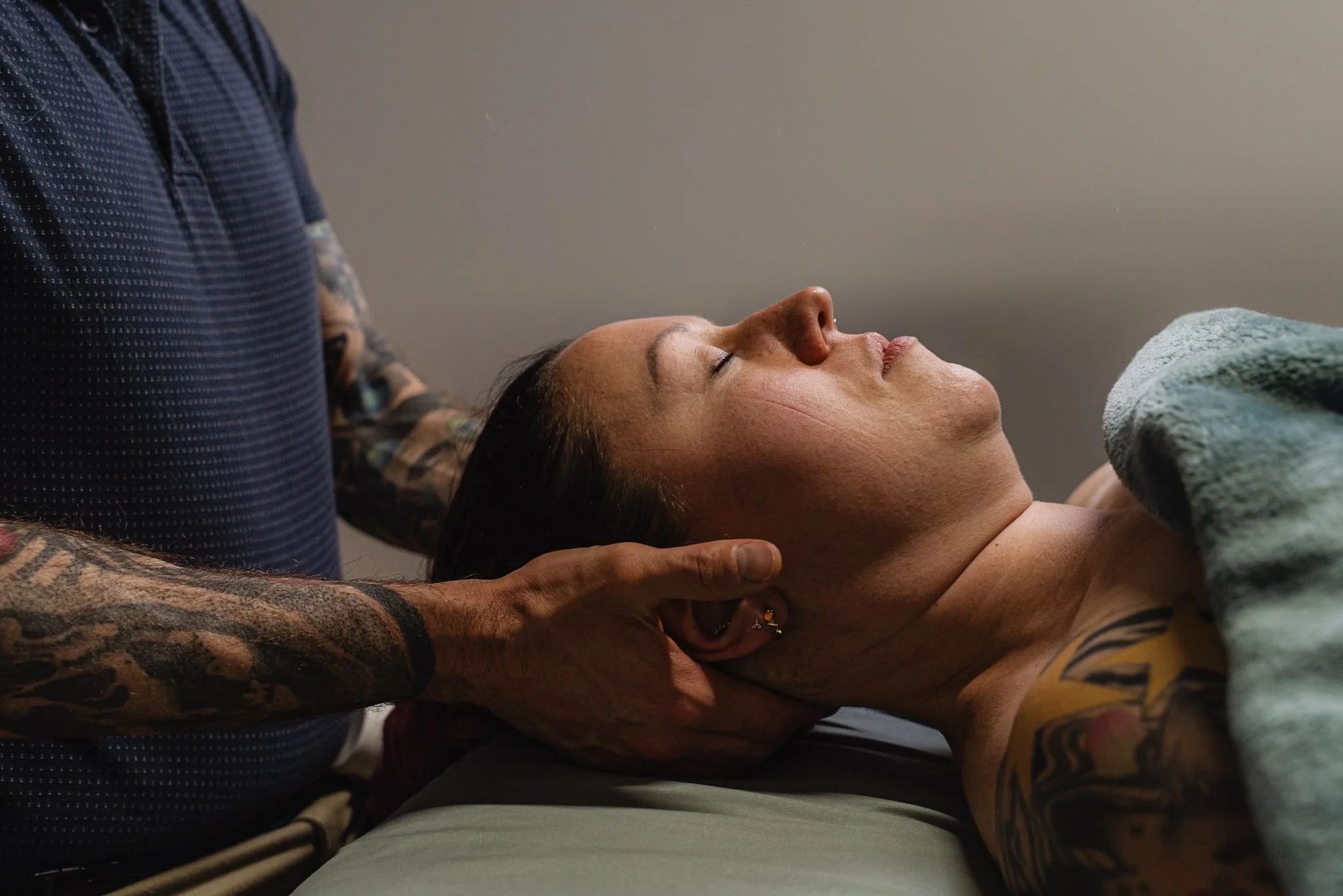
The Nervous System 101
The nervous system is the body’s command center. It consists of two main parts:
The central nervous system (CNS), which includes the brain and spinal cord
The peripheral nervous system (PNS), which connects the rest of the body to the CNS
Within the peripheral system lies the autonomic nervous system, responsible for automatic functions like heart rate, digestion, and breathing. This system has two key branches:
The sympathetic nervous system (fight-or-flight)
The parasympathetic nervous system (rest-and-digest)
Massage therapy directly influences this balance.
Massage and the Relaxation Response
One of the most well-documented effects of massage is its ability to activate the parasympathetic nervous system. This is often called the “relaxation response.”
When a skilled therapist applies slow, intentional pressure, the body begins to shift out of a stressed, high-alert state. Heart rate slows, breathing deepens, and stress hormones like cortisol decrease. At the same time, the body increases production of feel-good neurotransmitters such as serotonin and dopamine.
This shift isn’t just relaxing—it’s restorative. It allows the body to focus on healing, digestion, and recovery.

Pain Is a Nervous System Experience
A common misconception is that pain exists solely in the muscles or joints. In reality, pain is processed and interpreted by the brain. The nervous system constantly gathers information from sensory receptors and decides how much danger—or discomfort—to signal.
Massage therapy can help “retrain” this system.
Through techniques like sustained pressure and rhythmic movement, massage stimulates sensory receptors in the skin and deeper tissues. These signals can override or dampen pain signals—a concept often explained by the “gate control theory” of pain. Essentially, massage helps close the gate on pain messages traveling to the brain.
This is why even gentle massage can significantly reduce discomfort without aggressively targeting the painful area.
The Role of Touch and Human Connection
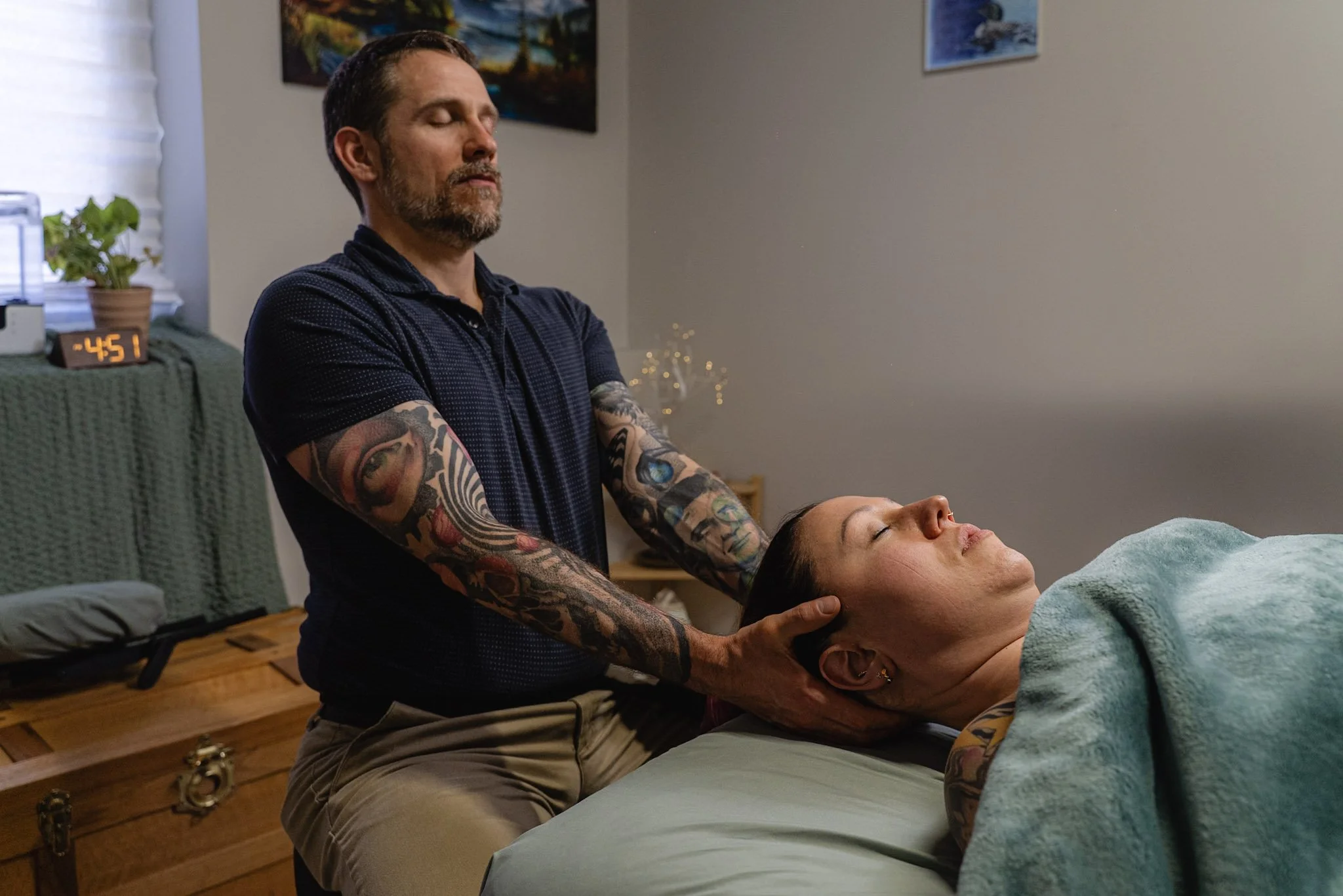
Touch is one of the most powerful ways to influence the nervous system. Safe, intentional touch can lower anxiety, reduce feelings of isolation, and create a sense of security.
For many people, massage therapy provides something that is increasingly rare in modern life: meaningful, non-verbal human connection. This alone can calm an overactive nervous system and improve emotional well-being.
Muscle Tension: A Nervous System Response
Tight muscles are often a symptom, not the root problem. Stress, posture, and emotional strain can cause the nervous system to keep muscles in a guarded, semi-contracted state.
Massage works by signaling to the nervous system that it is safe to let go. As the system relaxes, muscles naturally follow. This is why forcing a muscle to release through deep pressure alone can sometimes backfire—if the nervous system still perceives a threat, it will resist.
Why Technique Matters Less Than Intent
While different massage styles vary in technique, the most effective therapists understand how to “listen” to the nervous system. Speed, pressure, rhythm, and presence all influence how the body responds.
Slow, mindful work often has a greater impact on relaxation than aggressive, fast movements. The goal isn’t to overpower the body, but to guide it toward a calmer state.
A Whole-Body Perspective
Massage therapy is not just a physical treatment—it’s a neurological one. By working with the nervous system, massage can:
Reduce chronic pain
Improve sleep quality
Lower stress and anxiety
Enhance recovery from injury
Support overall mental and physical health
This holistic effect is what makes massage therapy such a valuable part of wellness care.

Final Thoughts
The next time you receive a massage, remember that the real magic isn’t just happening in your muscles—it’s happening in your nervous system. Every stroke, every moment of stillness, and every breath helps shift your body toward balance.
Massage therapy, at its core, is a conversation with the nervous system—and when that conversation is done well, the entire body benefits.