

Things I Wish My Massage Clients Asked Me (But Usually Don't)
Most people come into their massage appointment with one goal: to feel better.
Whether that's less pain, less stress, more movement, or simply an hour to switch off from the world, they're hoping to leave feeling different than when they arrived.
But over the years, I've noticed something.
There are a handful of questions that clients almost never ask—and I wish they would.
Not because I'm waiting to impress anyone with my knowledge, but because the answers often make people feel far more comfortable, confident, and informed about their treatment.
Here are a few of them.
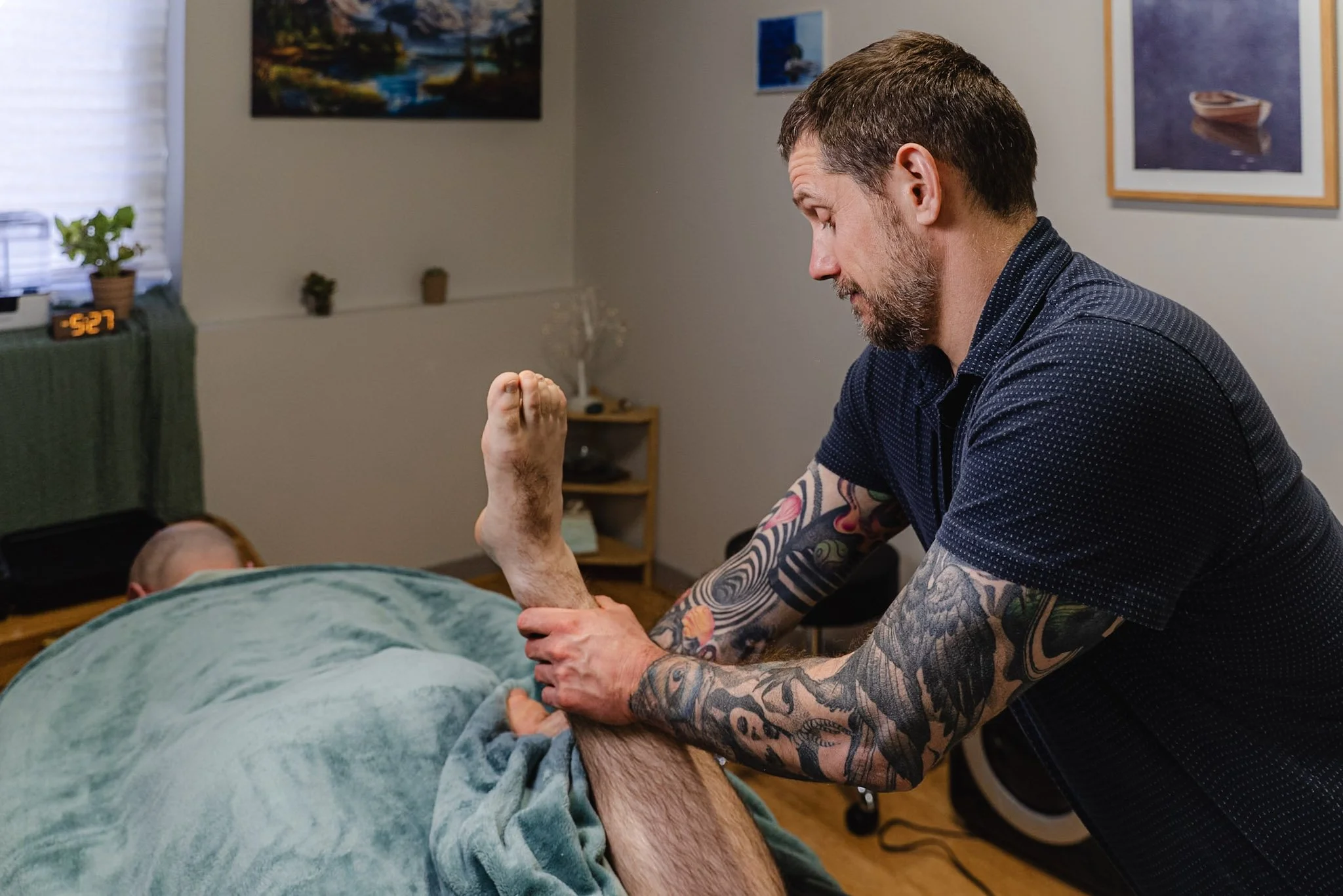
"Why are you working there when that's not where it hurts?"
This is probably the biggest one.
Pain doesn't always originate where you feel it.
That ache between your shoulder blades might be influenced by muscles in your chest or neck. Hip pain can involve the lower back. Headaches are often linked to tension through the neck and shoulders.
Sometimes I'm working somewhere that seems completely unrelated because the body doesn't operate as isolated parts—it works as one connected system.
If you're ever wondering what I'm doing, ask.
I genuinely enjoy explaining it.
"How much pressure is actually best?"
Most people assume deeper means better.
It doesn't.
The right pressure is the pressure that allows your body to relax while still creating a therapeutic effect.
Too little might not achieve much.
Too much can make your muscles guard, tighten, and fight against the treatment.
There's no prize for enduring pain.
Good massage isn't about seeing how much discomfort you can tolerate. It's about finding the pressure your body responds to best.
"What should I expect after today's treatment?"
Everyone is different.
Sometimes you'll leave feeling lighter immediately.
Sometimes you may feel pleasantly tired.
Occasionally you might notice mild soreness for a day or two, especially if we've worked on areas that have been holding tension for a long time.
Knowing what's normal helps prevent unnecessary worry.
"What can I do at home to help?"
Massage is wonderful, but you spend far more time outside my treatment room than inside it.
Sometimes one simple stretch.
A small change to your desk setup.
A different sleeping position.
Or simply taking regular movement breaks.
Those little habits often make a much bigger difference than people expect.
I'm always happy to suggest things that are realistic and tailored to you.
"Do I need to talk during the massage?"
Absolutely not.
Some people love to chat.
Some fall asleep.
Some are quiet because they're enjoying the peace.
None of those are wrong.
This is your treatment.
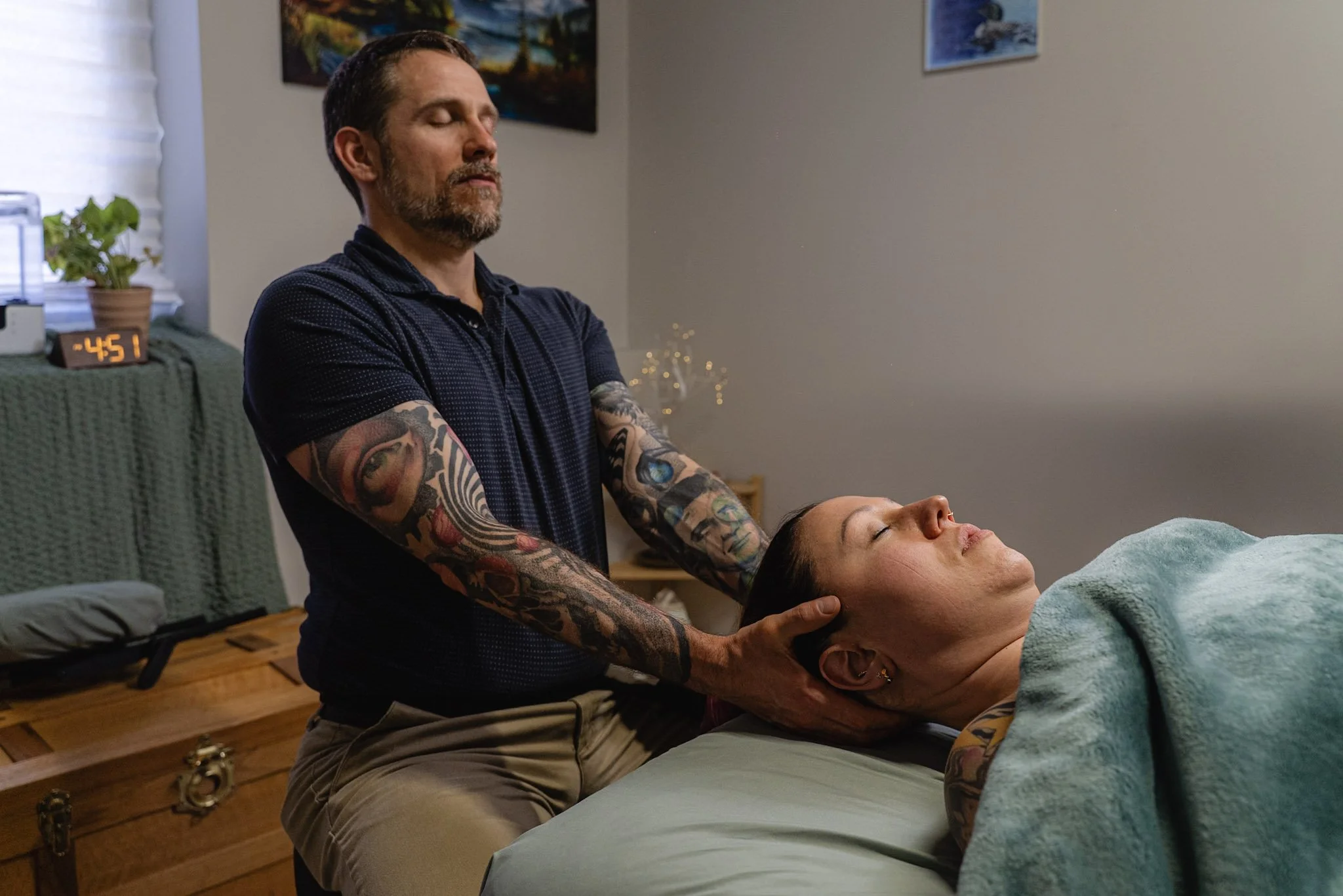
I'll always check in if I need feedback about pressure or comfort, but beyond that, there's no expectation to keep a conversation going.
If silence helps you relax, I'm more than happy to work in silence.
"Should I tell you if something feels uncomfortable?"
Please do.
Always.
Whether the pressure is too much.
The room feels too cold.
Your face cradle needs adjusting.
Your arm has gone numb.
Or something just doesn't feel right.
You're not being awkward or difficult.
You're helping me give you a better treatment.
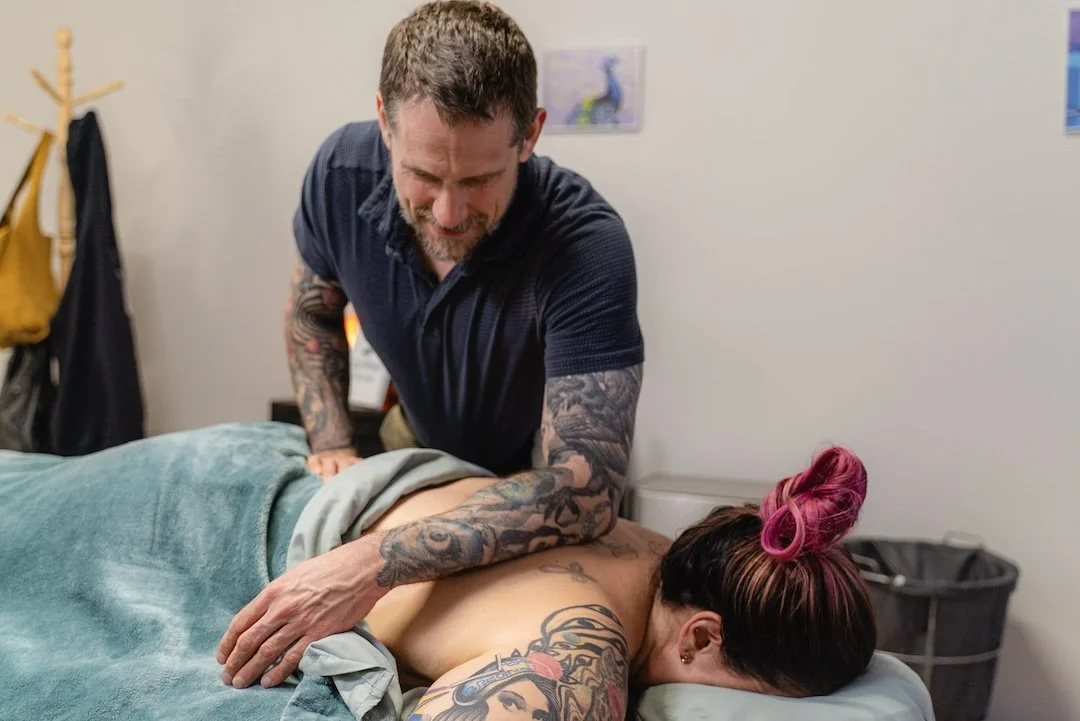
The best massage is one that's comfortable enough for you to fully relax.
"How often should I get a massage?"
There isn't a magic number.
It depends on your goals.
Someone recovering from an injury may benefit from more frequent treatments for a while.
Someone managing stress might come monthly.
Others book when they feel they need it.
Rather than following a one-size-fits-all schedule, I'd much rather help you find an approach that suits your body, your lifestyle, and your budget.
The One Question I Wish Everyone Asked
"What do you think my body is trying to tell me?"
Our bodies are incredibly good at communicating.
Stiffness.
Persistent tension.
Reduced movement.
Recurring headaches.
Aching shoulders.
They're not random acts of betrayal. They're often signs that something in our habits, workload, posture, stress levels, or recovery needs attention.
Massage can help ease those symptoms, but it can also start a conversation about why they're there in the first place.
And that's where lasting change often begins.
So next time you're on the massage table, don't be afraid to ask questions.
There are no silly ones.
The more you understand your body, the better equipped you are to look after it—and helping you do exactly that is one of the most rewarding parts of my job.